Introduction
In today's fast-paced business environment, effective communication is essential for success. One of the cornerstones of this communication is a reliable business phone system. As various industries have distinct requirements, understanding how to choose and implement a business phone system tailored to your specific needs is crucial for enhancing productivity and customer satisfaction. This guide will navigate you through the myriad options available in the realm of business phone systems, providing insights tailored to different industry needs.
A Comprehensive Guide to Business Phone Systems by Industry Needs
Choosing the right business phone system is not a one-size-fits-all solution. It varies significantly depending on the industry, size of the company, and individual organizational goals. Here we delve deeper into what constitutes an ideal business phone system across various sectors.
Understanding Business Phone Systems
What is a Business Phone System?
A business phone system refers to a telecommunications network specifically designed for businesses. These systems can range from traditional landlines to advanced Voice over Internet Protocol (VoIP) solutions. The primary purpose is to facilitate communication within an organization as well as with customers and partners.
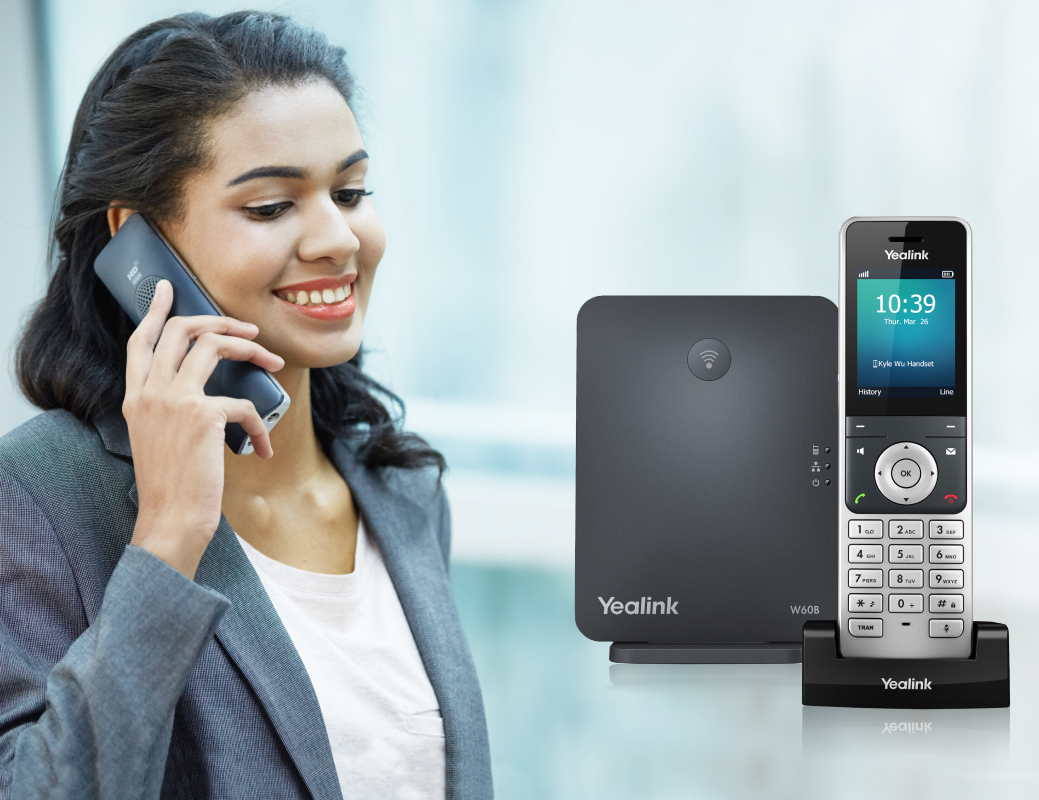

Types of Business Phone Systems
Traditional Landline Systems
Traditional landline systems are often regarded as old-school but continue to serve numerous businesses effectively. They provide reliable service and clear call quality but lack many modern features such as mobility and scalability.
VoIP (Voice over Internet Protocol)
VoIP technology has gained immense popularity due to its flexibility, cost-effectiveness, and advanced features like video conferencing and automated attendants. Businesses can run VoIP systems over existing internet connections, drastically reducing costs while enhancing functionality.
Cloud-Based Solutions
Cloud-based phone systems take VoIP a step further by storing data remotely in secure servers. This arrangement allows businesses to access their systems from anywhere with internet connectivity, making it ideal for organizations with remote teams or multiple locations.
Hybrid Systems
Hybrid systems VoIP Phone System Los Angeles https://soundcurve.com/voip-phone-service-encino-ca/ combine elements of both traditional and VoIP technologies. They offer businesses the reliability of landlines along with the versatility of cloud-based features.
Key Features of Business Phone Systems
Call Management Features
- Call Forwarding: Redirects calls from one number to another. Call Recording: Allows businesses to record conversations for training or quality assurance. Voicemail-to-Email: Sends voicemail messages directly to email inboxes for easier access.
Collaboration Tools
Many modern business phone systems incorporate collaboration tools such as chat functionalities, file sharing, and virtual meeting capabilities that are essential for team coordination.
Scalability Options
As businesses grow or undergo changes, their communication needs evolve too. A good business phone system should easily scale up or down without major disruptions.
Industry-Specific Needs for Business Phone Systems
Retail Industry: Enhancing Customer Engagement
In retail settings, customer engagement is paramount. A responsive business phone system equipped with features like call routing and CRM integration can significantly enhance customer service levels while improving operational efficiency.
Example Features:
- Automated attendant Real-time inventory updates via calls Integration with e-commerce platforms
Healthcare Sector: Ensuring Patient Confidentiality
Healthcare providers must comply with strict regulations regarding patient confidentiality. Therefore, choosing a secure business phone system that offers encrypted communications is vital in this sector.
Example Features:
- Secure messaging services HIPAA-compliant voice communications Patient appointment reminders through automated calls
Financial Services: Emphasizing Security and Reliability
The finance sector demands high security for sensitive information shared over the phone. A robust business phone system that provides end-to-end encryption can protect financial transactions while maintaining excellent customer relations through features like call analytics.
Example Features:
- Secure lines for financial advice Integration with financial software Multi-party conference calling capabilities
Selecting the Right Business Phone System for Your Industry
Assessing Your Communication Needs
Before investing in any business phone system, it's important first to assess your organization's specific communication needs:
Volume of Calls: Understand how many calls you handle daily. Type of Communication: Identify if you need video conferencing or just standard voice calls. Budget Constraints: Determine how much you're willing to spend upfront versus ongoing costs.Implementation Strategies for Business Phone Systems
Training Staff on New Technologies
When introducing a new business phone system, adequate training is crucial. Employees should be well-informed about using new features efficiently through workshops or online tutorials.
Regular System Audits
Regularly auditing your chosen system helps identify areas for improvement or adjustment according to evolving organizational needs.
Frequently Asked Questions (FAQs)
1. What are the primary benefits of VoIP over traditional landlines?
VoIP enables lower costs, greater flexibility, advanced features like video conferencing, and ease of scalability compared to traditional landlines which may lack these advantages.
2. How do I know which type of business phone system suits my industry?
Assess your communication needs based on factors such as call volume, required features (like security), budget constraints, and whether your workforce operates remotely or on-site before deciding on a type.
3. Are cloud-based solutions more expensive than traditional setups?
While initial setup costs may vary based on specific configurations and provider offerings, cloud-based solutions typically offer lower long-term operational costs due to reduced hardware maintenance expenses.
4. Can I integrate my CRM software with my business phone system?
Yes! Most modern business phone systems offer integration capabilities with popular CRM platforms which allows seamless management of customer interactions directly within your CRM interface.
5. What security measures should I consider when selecting a business phone system?
Look for systems that provide encryption protocols, secure access controls, regular updates against vulnerabilities, and compliance certifications relevant to your industry standards (e.g., HIPAA).
6. How often should I review my business phone system?
Regular reviews every 6 months are recommended; however, significant changes like staff expansions or shifts in communication strategies may necessitate immediate evaluations sooner than planned schedules require adjustments accordingly.
Conclusion
In conclusion, choosing the right business phone system hinges on understanding not only your unique industry requirements but also how different technological options can align with those needs effectively. From retail’s focus on customer engagement to healthcare's necessity for confidentiality—each sector brings its own nuances into play when it comes down selecting appropriate telecommunication solutions tailored specifically towards enhancing productivity & fostering client relationships in today’s competitive landscape! By considering all these factors outlined in this comprehensive guide above—businesses stand better poised at navigating their way forward toward optimal efficiency while ensuring they maintain an edge within their respective fields!